
Paulina Fuenzalida-Guzmán transforms personal and collective memory into art that endures
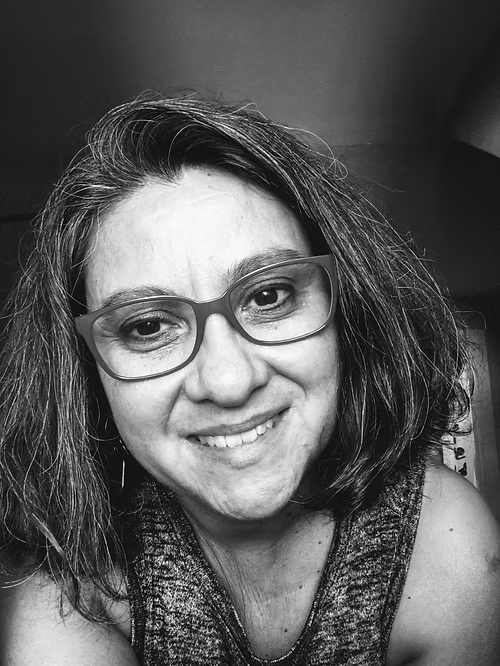
Thread, for Paulina, is never just thread—it is memory made tactile. Working at the intersection of textiles, identity, and social consciousness, her practice invites us into an intimate landscape shaped by migration, healing, and an ongoing pursuit of justice. Through hand-felted fibers, hand-embroidered paper, and experimental materials, Paulina carries the weight of lived experience. Her work holds Chile’s collective trauma, womanhood, and community care, while revealing the fragile resilience required to keep creating in a world that rarely makes space for vulnerability. In her current body of work, Cord-ura; Sanity, Paulina turns inward without turning away.
What materials do you work with?
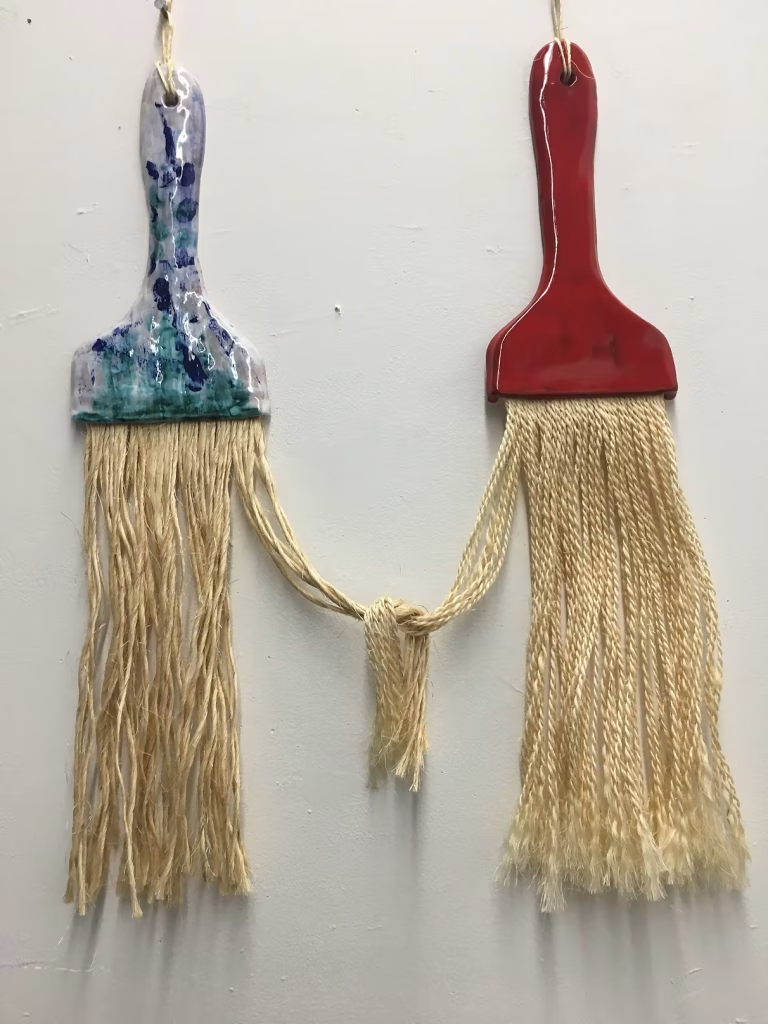
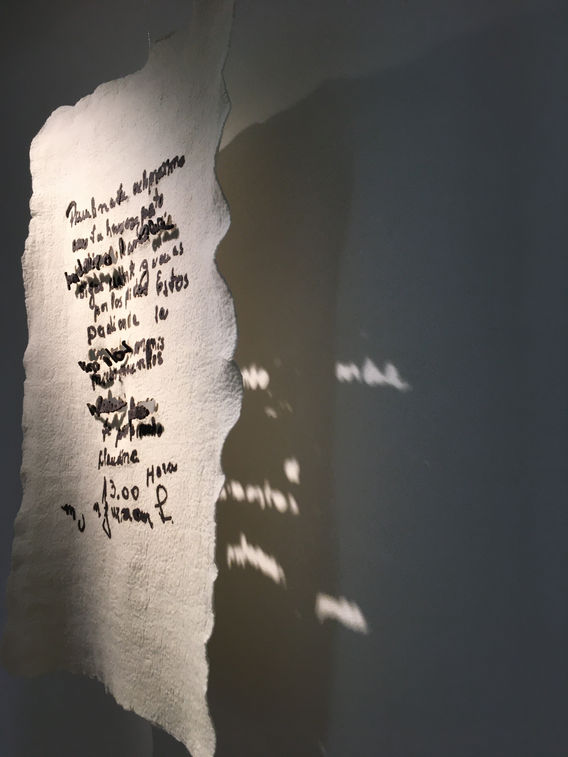
I work primarily with textiles—hand-felted, fibers, embroidery, thread, fabric, and sewing techniques—yet I often expand beyond traditional supports by incorporating materials like vinyl or using paper as an embroidered surface. I’m especially drawn to materials that evoke memory, carry traces of the body, or reveal cultural histories.
Tell us about your current body of work. What motivated it?
My current work explores identity, healing, and transformation through the language of textiles. After years of focusing on collective memory and human rights during Chile’s democratic transition, I felt compelled to shift toward a more intimate and vulnerable exploration of my own experiences as an immigrant, woman, and artist navigating change.
This body of work is motivated by the idea that thread holds emotion — that stitching can be both an act of resistance and a path toward inner clarity.

Do you work full-time as an artist or do you wear other hats?
While my artistic practice is at the center of my life, I’ve learned to diversify my work. Like in many parts of the world, making a living solely from art can be challenging, and I have a family to support. Still, most of what I do is closely connected to creative work — from running my small business renting giant flowers for memorable events, to community-based projects, teaching, curating, and leading collaborative cultural initiatives, especially within the Latino community. These roles enrich my practice and connect me with a broader ecosystem of artists and communities.
How do you integrate art into your life and other responsibilities?
Art is part of my essence; it lives in my skin and in my mind at all times. I don’t keep a rigid schedule because I take care of my family and my small businesses. When I’m developing an idea, I look for ways to connect that thought, reflection, or feeling with a material form that can hold it — that can embrace it.
I’m constantly creating flexible systems that allow me to show up for my community, my personal life, and my health, while still nurturing my ongoing artistic practice. Sometimes those systems don’t work out—but what is life, if not a series of endless attempts?
How has your art practice evolved over the years?
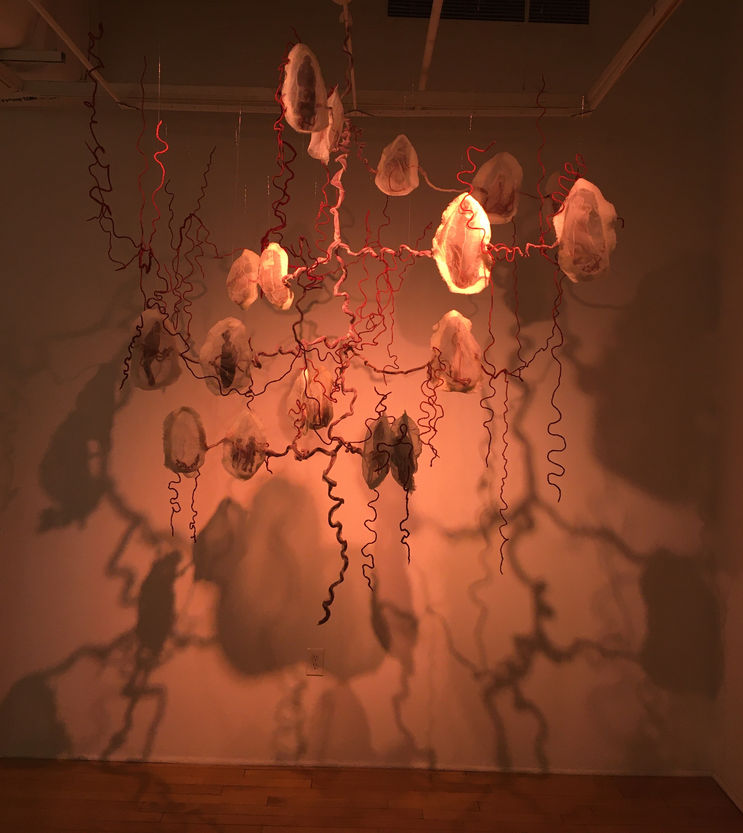
My practice has shifted from listening to the collective cry of trauma—rooted in my past in Chile—to entering a more intimate world that speaks through personal narratives and reflects my relationship with the world and what I understand as just within it. Over time, I’ve embraced contemplative, meditative, and repetitive hand processes, along with material experimentation, as ways to explore identity and belonging.
My work mutates, just as my relationship with the world does. I love it and I hate it, and in that back-and-forth I try to maintain my sanity — a theme that resonates throughout this new exhibition at Groundwork Art Space.
What or who inspires you?
I am inspired by the fight for justice in all aspects of life, and by everyday acts of resilience — the ways people heal, adapt, and reinvent themselves. I’m also moved by great thinkers whose ideas resonate with my own philosophy of living: from Gaston Bachelard, who writes about the poetics of space, to Yayoi Kusama, for whom art becomes a path to mental well-being, to contemporary Chilean artists like Mon Laferte and the creative worlds she builds. They, and many others, teach me how to live and coexist with my art.
I am equally inspired by poetry, memory, and the intimate worlds we create to survive life’s changes.
Who are some of your favorite artists?
The list is long. Some of the artists who have influenced or accompanied my practice include Van Gogh, Louise Bourgeois, Marina Abramović, Sheila Hicks, Yayoi Kusama, and Magdalena Abakanowicz, among others. I’m also constantly inspired by emerging artists working with textiles and social practice.
How is community important to you as a practicing artist?
Community is at the heart of my work. I see art as a space for connection, dialogue, and collective imagination. Many of my projects involve collaboration with Latino and multicultural communities, creating platforms where stories can be shared, honored, and made visible. Community grounds me and expands the purpose of my practice beyond the studio.
What is the biggest challenge you face as an artist?
One of the biggest challenges I face is self-financing — balancing creative work with administrative and financial responsibilities. Lately, I’ve also noticed that managing the emotional vulnerability of producing work that explores deeply personal matters, while maintaining sustainability and stability, can be particularly demanding.
What are your goals for the future?
My main goal is to have a studio that also functions as an artistic collective — a space where I can share and create alongside other artists.
I would love to bring my experience in community art to low-income municipalities in Chile, where art often saves lives and nurtures mental health.
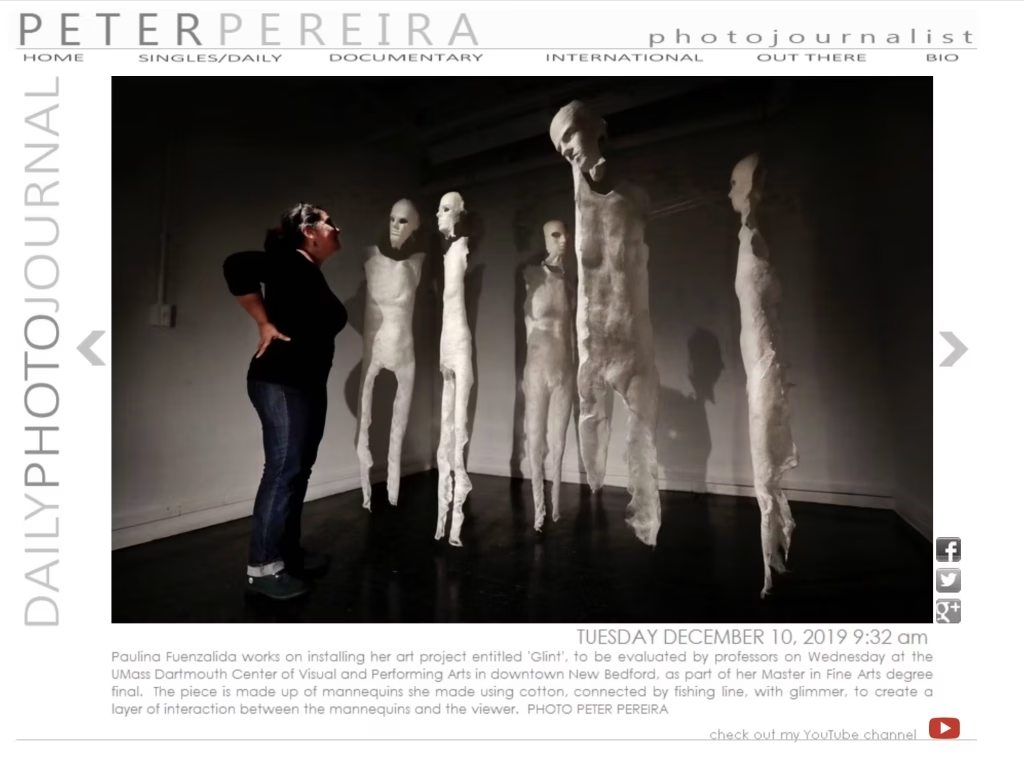
I also dream of having a space large enough to create large-scale multimedia textile installations that explore the meaning of life and belonging through movement, language, and collaborative creation.
Where can people find and connect with you (in person or online):
- You can reach me through my website: https://paulinarte.wixsite.com/my-site
- social media: @paulina-arte and @paulinarte_petals
- You can also visit my work in person at the exhibition from December 15, 2025 – the end of March 2026 at Groundwork Art Space, or through the community projects I participate in across the South Coast — activities I will be promoting in advance.
Paulina’s work asks us to slow down, to listen closely, and to honor the quiet labor of survival, care, and becoming. Cord-ura; Sanity is both an offering and an invitation—into reflection, empathy, and shared humanity through textile language. Her exhibition is currently on view at Groundwork Art Space from December 15, 2025 through the end of March 2026, and is free and open to all. Visitors are welcome to experience the work through a self-guided tour during Groundwork’s staffed hours, Monday–Friday, 9:00 AM–2:00 PM.
- Printmaker Elise Morissette on nature, science, and community - September 3, 2026
- Meet Seth McBride, the Artist Behind “Be Cool!” - June 2, 2026
- Paulina Fuenzalida-Guzmán transforms personal and collective memory into art that endures - February 16, 2026